 Channel July 36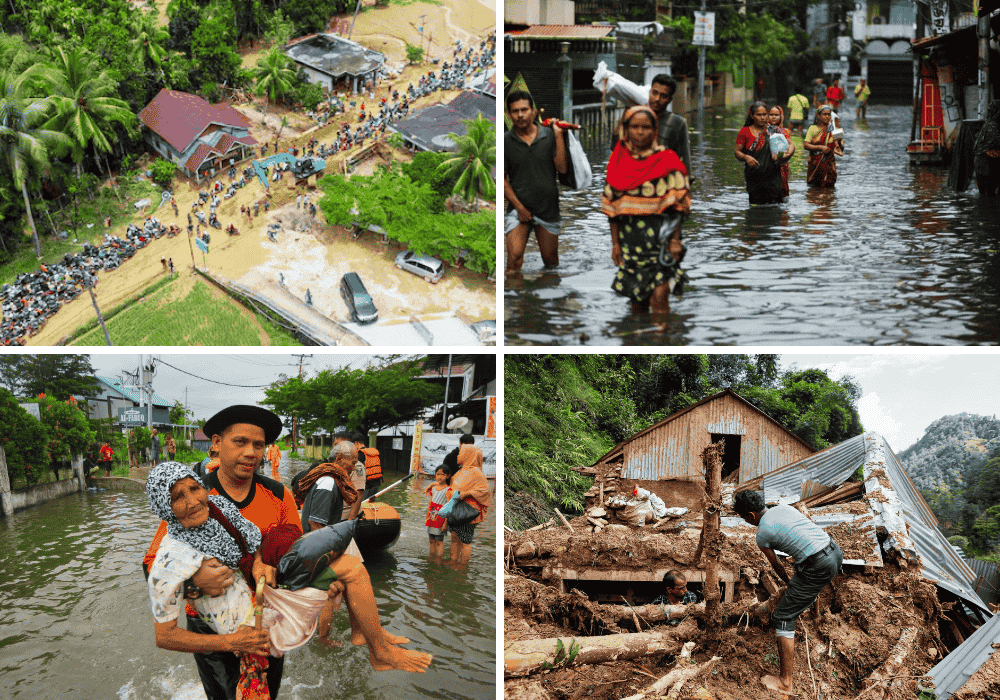
Torrential rains, cyclones, and landslides triggered by climate change have devastated Southeast Asia, killing at least 1,172 people across Indonesia, Sri Lanka, Thailand, and Malaysia as of December 1, 2025, with hundreds still missing and millions displaced, according to official tallies from disaster agencies and the UN’s OCHA. Indonesia bears the heaviest toll at 604
Torrential rains, cyclones, and landslides triggered by climate change have devastated Southeast Asia, killing at least 1,172 people across Indonesia, Sri Lanka, Thailand, and Malaysia as of December 1, 2025, with hundreds still missing and millions displaced, according to official tallies from disaster agencies and the UN’s OCHA. Indonesia bears the heaviest toll at 604 dead and 464 missing, primarily in Sumatra where Cyclone Senyar—a rare tropical storm in the Malacca Strait—caused catastrophic flooding and mudslides, burying villages and cutting off roads for days. President Prabowo Subianto visited North Sumatra on December 1, pledging rapid aid delivery via helicopters and ships, but admitted the government’s lack of preparedness, with two hospital ships and three warships deployed amid calls for a national emergency. In Sri Lanka, Cyclone Ditwah has killed 390, with 367 missing and over 1 million affected, marking the worst natural disaster since the 2004 tsunami; President Anura Kumara Dissanayake declared a state of emergency, seeking international aid from India, Pakistan, Bangladesh, and Japan, while a military helicopter crash during rescues claimed one pilot’s life. Southern Thailand reports 176 deaths, mainly in Songkhla province where Hat Yai received a record 335mm of rain in one day—the highest in 300 years—forcing 3 million from homes and leading to two officials’ dismissal over response failures; Prime Minister Anutin Charnvirakul aims for a seven-day recovery, with 76,000 children out of school and 80% tap water restored. Malaysia’s northern Perlis state saw three deaths and 25,000 evacuated, with ongoing second and third flood waves. Experts link the intensity to climate change and La Niña, exacerbating monsoons; International Red Cross Asia-Pacific Director Alexander Matheos warns of the need for advanced forecasting, safe shelters, nature-based solutions, and disaster social protection. Rescue efforts continue amid looted shops in Indonesia due to food shortages and breached embankments in Sri Lanka, with Starlink providing free service in Sumatra until December’s end. The Philippines’ recent typhoons added 242 deaths, highlighting the region’s vulnerability.

















Leave a Comment
Your email address will not be published. Required fields are marked with *