 Channel July 36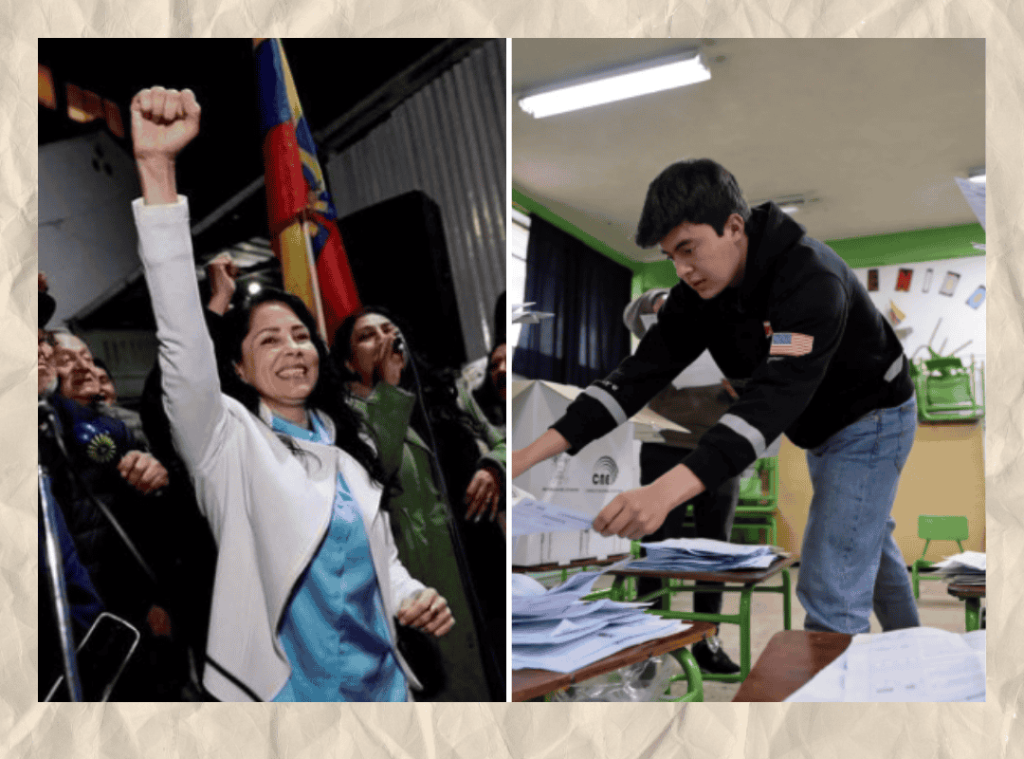
Ecuadorians delivered a resounding rejection of President Daniel Noboa’s key security and reform agenda on November 16, 2025, voting down all four referendum proposals with nearly 90% of ballots counted, according to the National Electoral Council. The most contentious measures—lifting a 2008 constitutional ban on foreign military bases and convening an assembly to rewrite
Ecuadorians delivered a resounding rejection of President Daniel Noboa’s key security and reform agenda on November 16, 2025, voting down all four referendum proposals with nearly 90% of ballots counted, according to the National Electoral Council. The most contentious measures—lifting a 2008 constitutional ban on foreign military bases and convening an assembly to rewrite the constitution—faced over 60% “no” votes, with the bases proposal rejected by nearly two-thirds (66%) and the rewrite by 61%. Other proposals to slash public funding for political parties and reduce National Assembly seats from 151 to 73 also failed decisively, signaling widespread dissatisfaction with Noboa’s conservative, Trump-aligned governance.
The referendum, held amid Ecuador’s spiraling drug violence—with 4,619 murders in the first half of 2025 alone, a record high per the Organized Crime Observatory—was seen as a test of Noboa’s “war on narcos” strategy. Noboa, 37, had pushed for U.S. bases in Manta and Salinas to bolster anti-trafficking efforts, following talks with U.S. Homeland Security Secretary Kristi Noem and amid praise from Washington as an “excellent partner” on migration and drugs. The bases ban stemmed from a 2009 referendum under leftist ex-President Rafael Correa, who celebrated the “no” vote as a double endorsement of the current constitution.
Voter turnout was around 60%, with opposition from Correa’s Citizens’ Revolution Movement and indigenous groups citing sovereignty fears, unfulfilled promises on gas prices, and distrust of foreign intervention. Casa Grande University political science professor Andrea Endara described the outcome as a “shower of humility” for Noboa, reflecting not just partisan opposition but broader frustration with security lapses despite army deployments and emergency declarations since his 2023 election. In an X post, Noboa pledged to “respect the people’s will” and continue reforms, but analysts warn of eroded authority ahead of 2025 elections. Ecuador, a key cocaine transit hub between Colombia and Peru, saw drug seizures drop 30% year-on-year, fueling gang attacks on politicians and journalists. The “no” votes preserve the 2008 constitution’s third iteration since 1979’s democracy return, blocking Noboa’s push for harsher penalties and border controls.
















Leave a Comment
Your email address will not be published. Required fields are marked with *