 Channel July 36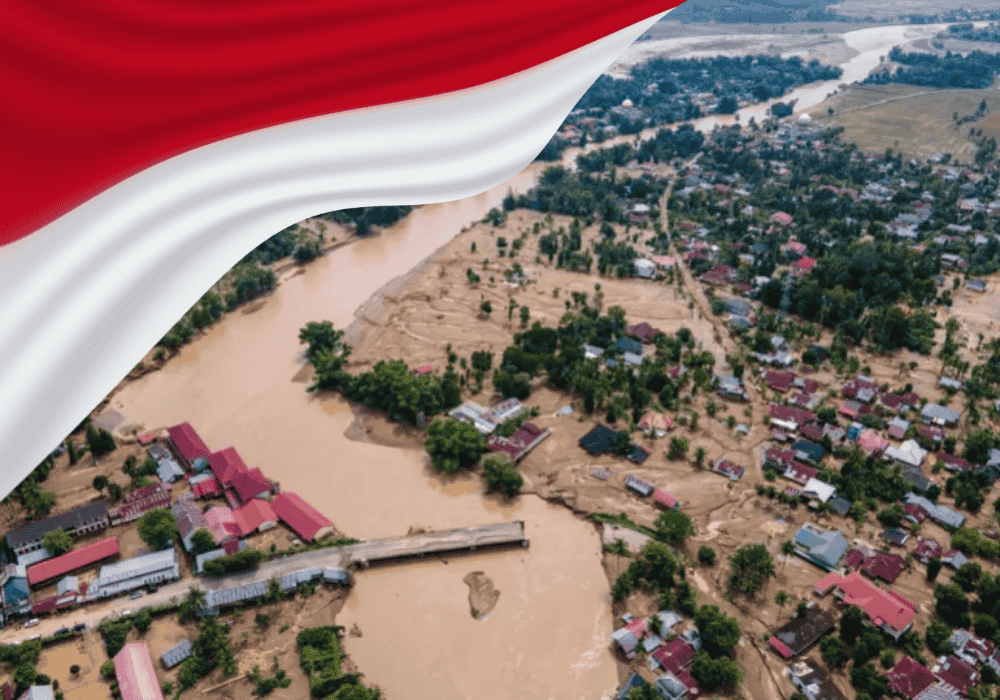
MEDAN, Indonesia – The death toll from devastating flash floods and landslides triggered by relentless monsoon rains and Tropical Storm Senyar on Indonesia’s Sumatra island has surged to 174, with at least 79 people still missing, according to the National Disaster Mitigation Agency (BNPB). The crisis, which began last week, has left thousands homeless, submerged
MEDAN, Indonesia – The death toll from devastating flash floods and landslides triggered by relentless monsoon rains and Tropical Storm Senyar on Indonesia’s Sumatra island has surged to 174, with at least 79 people still missing, according to the National Disaster Mitigation Agency (BNPB). The crisis, which began last week, has left thousands homeless, submerged entire neighborhoods, and isolated remote villages, complicating rescue operations as of November 28, 2025. BNPB chief Suharyanto reported that North Sumatra province has borne the brunt, with 116 confirmed fatalities and 42 individuals under active search. An additional 35 deaths were recorded in Aceh province, and 23 in West Sumatra, where flooding has inundated over 17,000 homes and forced around 23,000 residents into temporary shelters.
In hard-hit areas like Batang Toru in North Sumatra, seven unidentified bodies—decomposing and wrapped in black plastic—were laid to rest in a mass grave on Friday, as onlookers covered their faces against the stench. Rescue teams, hampered by collapsed bridges, mud-choked roads, and power outages, have struggled to reach isolated communities. In Padang Pariaman district of West Sumatra, water levels exceeded 1 meter (3.3 feet) in some spots, with search personnel unable to access certain villages even by late Friday. “The floods hit at dawn, smashing into houses like a wall of water,” recounted 53-year-old resident Misniati from West Sumatra, who barely escaped after spotting rising waters on her way home from morning prayers.
The storm’s prolonged downpours saturated steep terrains, exacerbating landslides that buried homes and swept away families. In Sibolga city, five bodies were recovered from floodwaters, while in neighboring Central Tapanuli, a landslide crushed a family of four. Nearly 3,000 families in North Sumatra alone have sought refuge in emergency shelters, with rice fields, livestock, and infrastructure— including nine bridges in Aceh’s Bireuen district—severely damaged. Authorities have deployed helicopters for aerial aid drops and evacuations, but heavy equipment shortages and communication blackouts continue to delay efforts. The BNPB estimates over 3,200 homes submerged across the island, with ongoing risks from aftershocks of vulnerability in Indonesia’s archipelago of 17,000 islands, where seasonal rains from October to March routinely unleash such disasters.
This catastrophe underscores a broader regional emergency fueled by climate change and erratic weather patterns. In neighboring Thailand, floods across eight southern provinces, including Hat Yai in Songkhla, have killed 145 people, stranding over 4,000 Malaysian tourists and displacing more than 2,700 locals with waters still ankle-deep in urban areas despite the rain subsiding. Malaysia reports two confirmed deaths and has evacuated 95,000 people, primarily from northeastern Kelantan bordering Thailand, with civil defense teams on high alert using boats and four-wheel-drive vehicles. Further afield, Cyclone Ditwah has ravaged Sri Lanka, claiming 56 to 69 lives, leaving 34 missing, and forcing over 250,000 evacuations amid intense Bay of Bengal downpours exceeding 100 mm in 24 hours. Vietnam has seen 91 fatalities from related flooding in the south.
Across Southeast and South Asia, the toll has surpassed 320, with millions affected and economies reeling from destroyed crops and infrastructure. Experts link the intensity to human-induced climate change, calling for bolstered early warning systems and sustainable land management—such as curbing illegal logging in Sumatra—to mitigate future horrors. As rescuers dig through rubble and distribute essentials, Suharyanto warned, “With many remote areas still unreachable, the numbers could rise further.” Families cling to hope amid the mud, their lives upended by nature’s fury.
















Leave a Comment
Your email address will not be published. Required fields are marked with *